
Hospitality & Gaming
·Singapore·10 monthsAI Surveillance and Gaming Analytics for an Integrated Resort
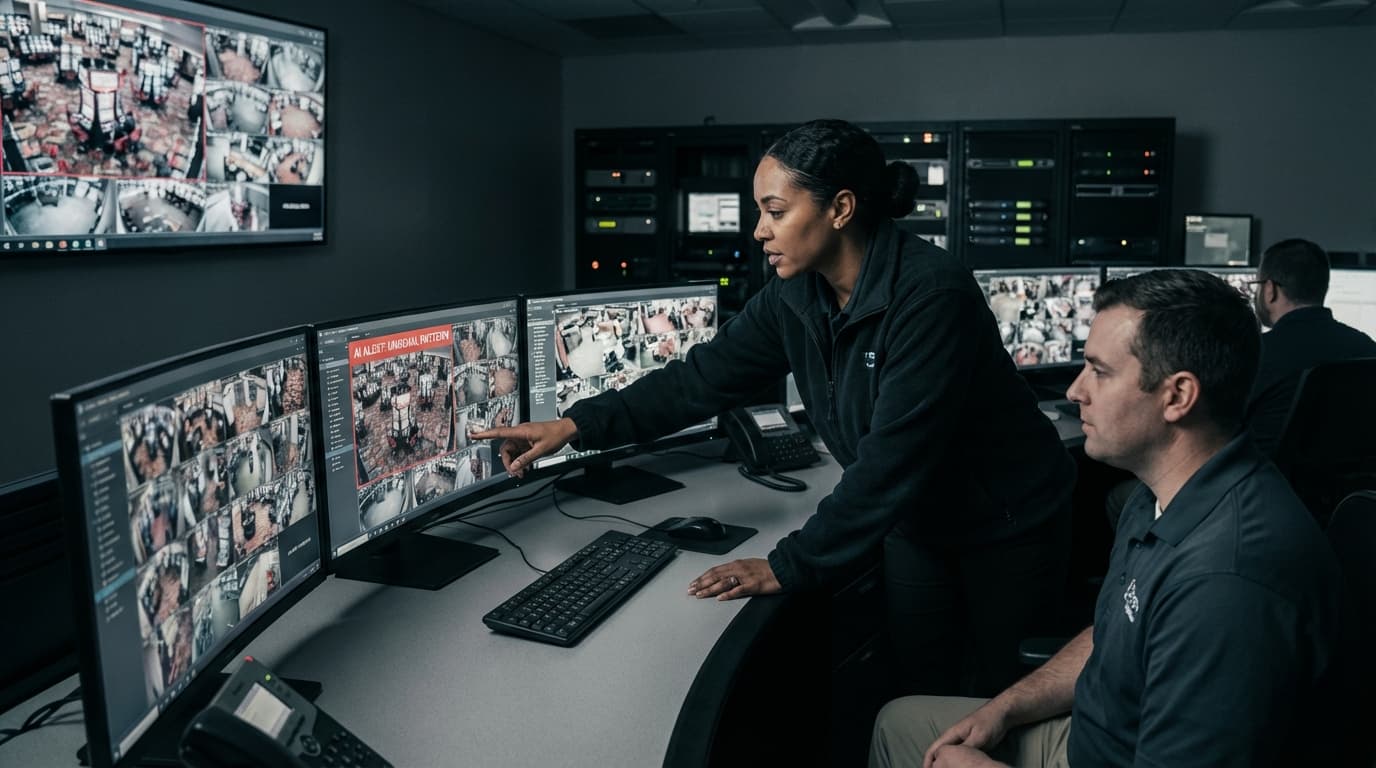
Deployed AI-powered surveillance analytics and gaming floor intelligence for a major integrated resort. The system augments existing CCTV infrastructure with computer vision for anomaly detection, patron flow analysis, and gaming table monitoring, while predictive models optimise staffing, F&B provisioning, and promotional targeting based on real-time occupancy and patron behaviour patterns.
Real-time
Gaming floor performance intelligence
Thousands
Camera feeds with AI anomaly detection
Coordinated
Cross-facility operations planning
Challenge
Integrated resorts operate at an extraordinary scale of operational complexity — gaming floors, hotels, restaurants, entertainment venues, retail spaces, and convention facilities all running simultaneously, each with different demand patterns, staffing models, and revenue dynamics. This resort operated thousands of CCTV cameras monitored by a large surveillance team, but human operators could effectively monitor only a fraction of feeds at any given time. Anomaly detection — identifying suspicious behaviour, safety incidents, or operational issues — relied on operator alertness and experience. Gaming floor operations presented specific analytical challenges. Table game performance depended on complex interactions between game mix, table limits, player behaviour, dealer performance, and promotional activities. The resort's gaming analytics team produced reports from transaction data, but these were retrospective — by the time a trend was identified (a table mix underperforming, a promotional offer attracting the wrong player segment), the period had passed. Real-time intelligence that could inform in-shift decisions — adjusting table limits, deploying hosts to high-value players, or reallocating dealer staff — didn't exist. Operational coordination across the resort was another gap. Peak gaming activity didn't necessarily coincide with peak F&B demand or entertainment event timing. The resort needed an integrated view of patron flow across all facilities to make coordinated staffing, provisioning, and programming decisions rather than optimising each operation in isolation.
Approach
Reluvate deployed an AI analytics layer over the resort's existing camera infrastructure. Computer vision models process camera feeds to detect anomalies — unattended bags, crowd density exceeding safety thresholds, slip-and-fall incidents, access control violations — and generate real-time alerts to the surveillance team. The system prioritises camera feeds for operator attention based on detected activity levels and anomaly scores, enabling the surveillance team to focus on the feeds most likely to require intervention. Gaming floor intelligence integrates transaction data from table management systems with patron flow data from camera analytics. The system provides real-time dashboards showing table utilisation, average bet sizes, win/loss trends, and player segment mix by zone and time period. Predictive models forecast gaming revenue by shift based on current floor activity, historical patterns, and external factors (hotel occupancy, event calendar, day of week), enabling the gaming operations team to make in-shift decisions about table allocation, limit adjustments, and host deployment. The integrated operations module models patron flow across the entire resort — from hotel check-in through gaming, dining, entertainment, and retail. This cross-facility view enables coordinated operational planning: when gaming floor occupancy reaches specific thresholds, the system triggers proactive F&B staffing adjustments, valet preparation, and entertainment venue readiness. Promotional targeting uses patron profile data and real-time location to deliver personalised offers — a patron leaving the gaming floor might receive a dining recommendation based on their preferences and current restaurant availability.
Design Notes
Privacy was a paramount design consideration. While integrated resorts have extensive surveillance capabilities, the AI system was designed to generate operational intelligence without creating individual patron profiles that could raise privacy concerns. Patron flow analytics operate on anonymous trajectory data; gaming analytics use player card IDs (voluntarily enrolled) for personalised insights; and surveillance anomaly detection processes visual features without facial recognition. The system's privacy architecture was reviewed by the resort's legal and compliance teams before deployment. Change management for the surveillance team was critical. Experienced operators were concerned that AI would undermine their expertise. Reluvate positioned the system as a tool that handles the impossible task — monitoring thousands of cameras simultaneously — that no human team could achieve regardless of size. The AI flags; humans decide. In practice, operators found that the AI-prioritised feed selection made their work more effective and less fatiguing, as they spent more time on genuinely interesting feeds rather than cycling through empty corridors. Exception handling accounts for the dynamic, often chaotic environment of a large resort. Mass events (concerts, conferences, Chinese New Year), VIP visits, and incident responses all require the system to adapt its normal operating parameters. Event modes adjust crowd density thresholds, patron flow expectations, and anomaly detection sensitivity. The system learns from each event type, improving its parameter adjustments for future similar events.
Result
Surveillance anomaly detection rates increased significantly while reducing the number of false alerts that consumed operator attention. Gaming floor operations gained real-time visibility into performance by zone and segment, enabling in-shift decision-making that was previously impossible. Cross-facility patron flow intelligence enabled coordinated operational planning, reducing bottlenecks at transitions between facilities. Staffing efficiency across gaming, F&B, and hospitality operations improved through demand-driven deployment rather than fixed schedules.
Related Case Studies
Retail
Autonomous Operations for a National Furniture Retailer
Deployed end-to-end autonomous operations across five business functions — HR, procurement, customer service, accounts, and marketing — for a national furniture retailer with multiple showrooms. This is Reluvate's longest and deepest client engagement, running continuously for over 2.5 years with expanding scope.
Education
Award-Winning AI-Powered CAD Assessment for National Education
Developed an AI-powered automated assessment system for Computer-Aided Design (CAD) student submissions, replacing hours of manual instructor evaluation with instant, educational feedback. The system won the Ministry of Education (MOE) Innergy Award (Gold) — national recognition for innovation in education — and has been adopted internationally.
Events & Hospitality
AI Customer Engagement Platform for a National Events Company
Deployed a multi-channel AI chatbot for a national events company, handling attendee inquiries, event registration, vendor coordination, and post-event follow-up across WhatsApp, web chat, and social media channels. The system reduced customer service headcount requirements during peak event periods while improving response times from hours to seconds.